
What Are “Ozempic Feet”? Doctors Explain the Latest Weight-Loss Concern Linked to GLP-1 Drugs
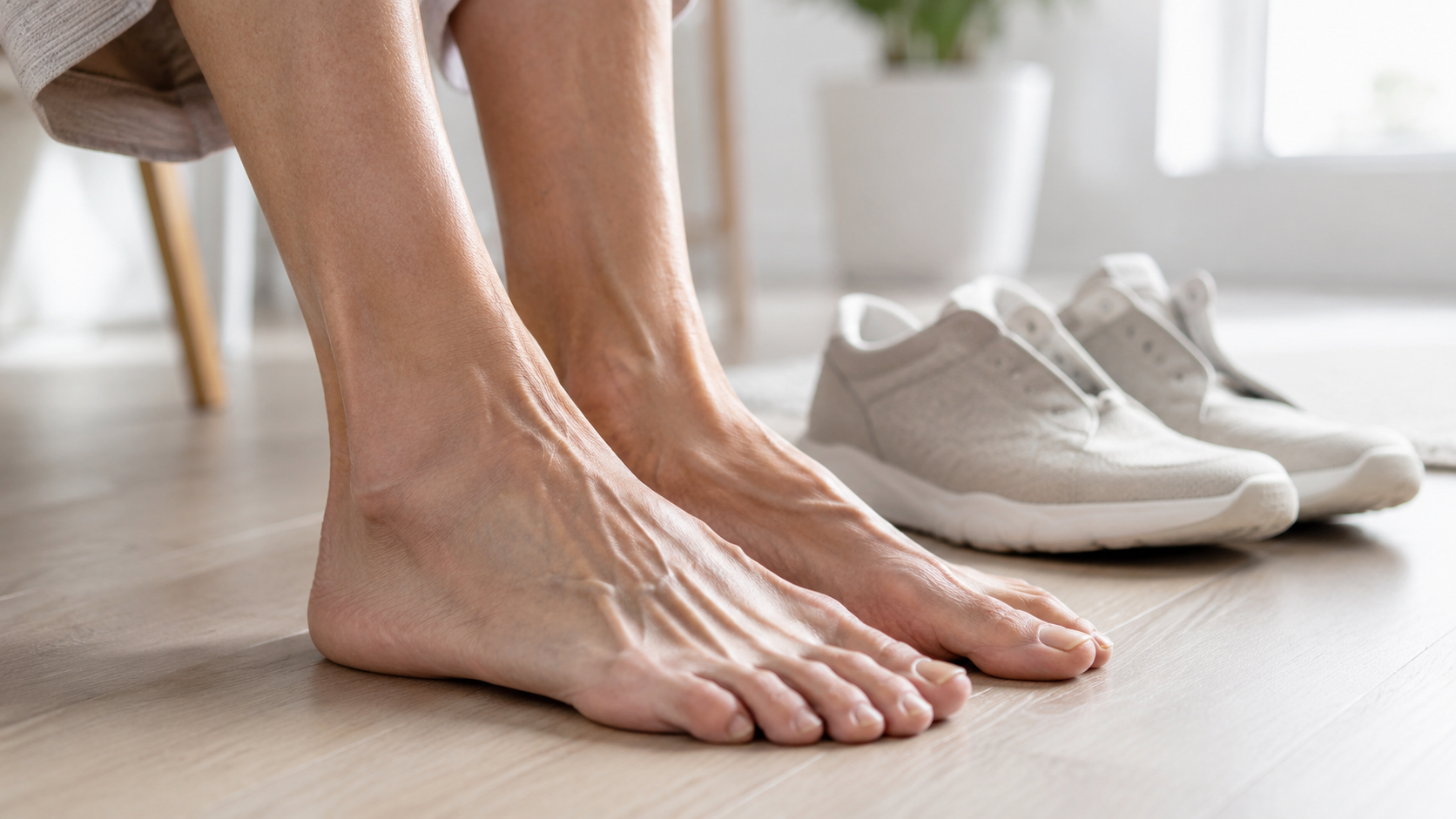
Some people using GLP-1 medications for weight loss have reported noticeable changes in the appearance, comfort, and fit of their feet.
The term “Ozempic feet” has recently been used online to describe feet that appear bonier, looser, or more deflated following significant weight loss. Some people have also reported aching, burning sensations, heel discomfort, and changes in shoe size.
However, “Ozempic feet” is not recognized as a common or officially listed side effect of Ozempic, Wegovy, or other GLP-1 medications.
Instead, healthcare professionals say these changes are more likely connected to rapid or substantial weight loss rather than the medication itself.
Key takeaways
- “Ozempic feet” is an informal term describing changes in the feet after significant weight loss.
- Reported changes include more visible veins and tendons, loose skin, foot pain, reduced cushioning, and changes in shoe size.
- The condition is not listed as a common side effect of GLP-1 medications.
- Rapid fat loss, muscle loss, and changes in foot structure may all contribute.
- Supportive shoes, adequate protein intake, strength training, and medical evaluation may help manage symptoms.
Why rapid weight loss may change the feet
GLP-1 medications such as Ozempic and Wegovy may lead to substantial weight loss in some people.
When weight is lost quickly, fat and muscle may decrease throughout the entire body, including in the feet. This can make the skin appear looser and cause bones, veins, and tendons to become more visible.
Similar changes may occur after other forms of major weight loss, including bariatric surgery.
As fat and muscle volume decreases, some people may also notice that their shoes feel looser or that they need a smaller size.
These changes are sometimes most visible on the tops of the feet, where tendons and veins may become more pronounced.
Commonly reported signs of “Ozempic feet”
Reports generally fall into three categories.
Changes in appearance
The skin on the feet may look thinner, looser, wrinkled, or slightly saggy.
As the layer of fat beneath the skin decreases, veins, tendons, joints, and bones may become easier to see.
This can create the more angular or “bony” appearance often described online.
Foot pain or discomfort
Some people report:
- Pain or burning in the balls of the feet
- New or worsening heel pain
- Aching while standing or walking
- A sensation similar to walking on small stones or pebbles
These symptoms may occur when the natural cushioning beneath the feet becomes thinner.
Changes in shoe fit
Shoes that previously fit securely may begin to feel loose.
Some people report losing an entire shoe size, while others find that they no longer require wide-fit shoes.
This may occur because weight loss can reduce fat and swelling around the feet.
Fat pad atrophy
One possible explanation is fat pad atrophy, which refers to thinning of the protective fatty tissue beneath the foot.
The plantar fat pad is located between the skin and the bones of the heel and forefoot. It acts as a natural shock absorber while standing, walking, or running.
If this cushioning becomes thinner during significant weight loss, the bones of the feet may experience more pressure.
This can contribute to heel pain, pain beneath the forefoot, or increased sensitivity when walking on hard surfaces.
Muscle loss
GLP-1-related weight loss may involve both fat and lean tissue.
Some research suggests that lean mass can represent a meaningful portion of the total weight lost while using these medications. However, the amount of muscle loss may vary based on diet, activity level, age, dosage, and other individual factors.
Regular resistance training and sufficient protein intake may help preserve muscle during weight loss.
Muscle loss can be particularly important for the feet because several small muscles help support the arches and stabilize movement.
If these muscles weaken or decrease in size, it may affect:
- Arch support
- Balance
- Walking patterns
- Ankle stability
- Achilles tendon function
Loss of calf muscle may also change how force moves through the ankle and foot.
Structural changes in the feet
The feet gradually adapt to carrying body weight over many years.
Higher body weight may contribute to flattened arches, stretched connective tissue, compressed fat pads, and changes in foot width.
After a person loses a substantial amount of weight, these structures may not immediately return to their previous position.
As a result, the feet may continue to feel different even after the pressure placed on them has decreased.
Changes in balance, walking mechanics, and arch shape may develop gradually as the body adjusts.
How to manage foot changes during GLP-1 weight loss
Changes in the appearance of the feet may not always be preventable during major weight loss.
However, several strategies may help reduce discomfort and support foot health.
Recheck your shoe size
Do not assume that your old shoe size is still correct.
Shoes that are too loose may increase friction, reduce stability, and contribute to blisters or falls.
Consider having your feet professionally measured, especially if you have lost a significant amount of weight.
Choose more supportive footwear
Shoes with additional cushioning and proper arch support may help compensate for reduced fat padding.
Insoles, heel cups, or orthotic inserts may also reduce pressure beneath painful areas.
A podiatrist can recommend appropriate options based on your symptoms and foot structure.
Strength train regularly
Resistance training may help preserve lean muscle while losing weight.
Exercises that strengthen the calves, ankles, arches, and toes may also improve stability and reduce strain.
Whole-body strength training is important because foot function is influenced by the legs, hips, and core.
Consume adequate protein
Protein supports the maintenance and repair of muscle tissue.
A healthcare professional or dietitian can help determine an appropriate protein target based on your body size, medical history, activity level, and weight-loss plan.
Moisturize the skin
Loose or thinner skin may become dry or irritated.
Applying moisturizer regularly may help maintain the skin barrier and reduce cracking.
Avoid placing thick creams between the toes, where excess moisture may increase the risk of fungal infections.
Examine your feet regularly
People with diabetes should inspect their feet daily for cuts, sores, redness, swelling, blisters, or changes in sensation.
Reduced cushioning or poorly fitting shoes can increase the risk of unnoticed injuries.
Seek medical care if wounds heal slowly or signs of infection develop.
When to contact a healthcare professional
Speak with a doctor or podiatrist if you experience persistent foot pain, burning, numbness, swelling, weakness, or difficulty walking.
These symptoms should not automatically be attributed to weight loss.
Foot pain may also be related to nerve problems, diabetes, circulation issues, plantar fasciitis, arthritis, stress fractures, or other medical conditions.
A healthcare professional can evaluate the cause and determine whether changes to your medication, nutrition, exercise routine, or footwear are necessary.
The bottom line
“Ozempic feet” is not an officially recognized side effect of GLP-1 medications.
The term describes changes that may occur when significant weight loss reduces fat and muscle in the feet. This may lead to a bonier appearance, loose skin, less natural cushioning, discomfort, and changes in shoe size.
These effects are not unique to Ozempic and may happen after any form of substantial weight loss.
Adequate protein intake, strength training, supportive footwear, proper foot care, and regular medical follow-up may help reduce discomfort and preserve function.
For most people, healthcare professionals say the broader health improvements associated with medically appropriate weight loss are likely to outweigh cosmetic changes in the feet.