
U.S. Military Plans Testosterone Screening. Here’s Why Some Experts Are Worried
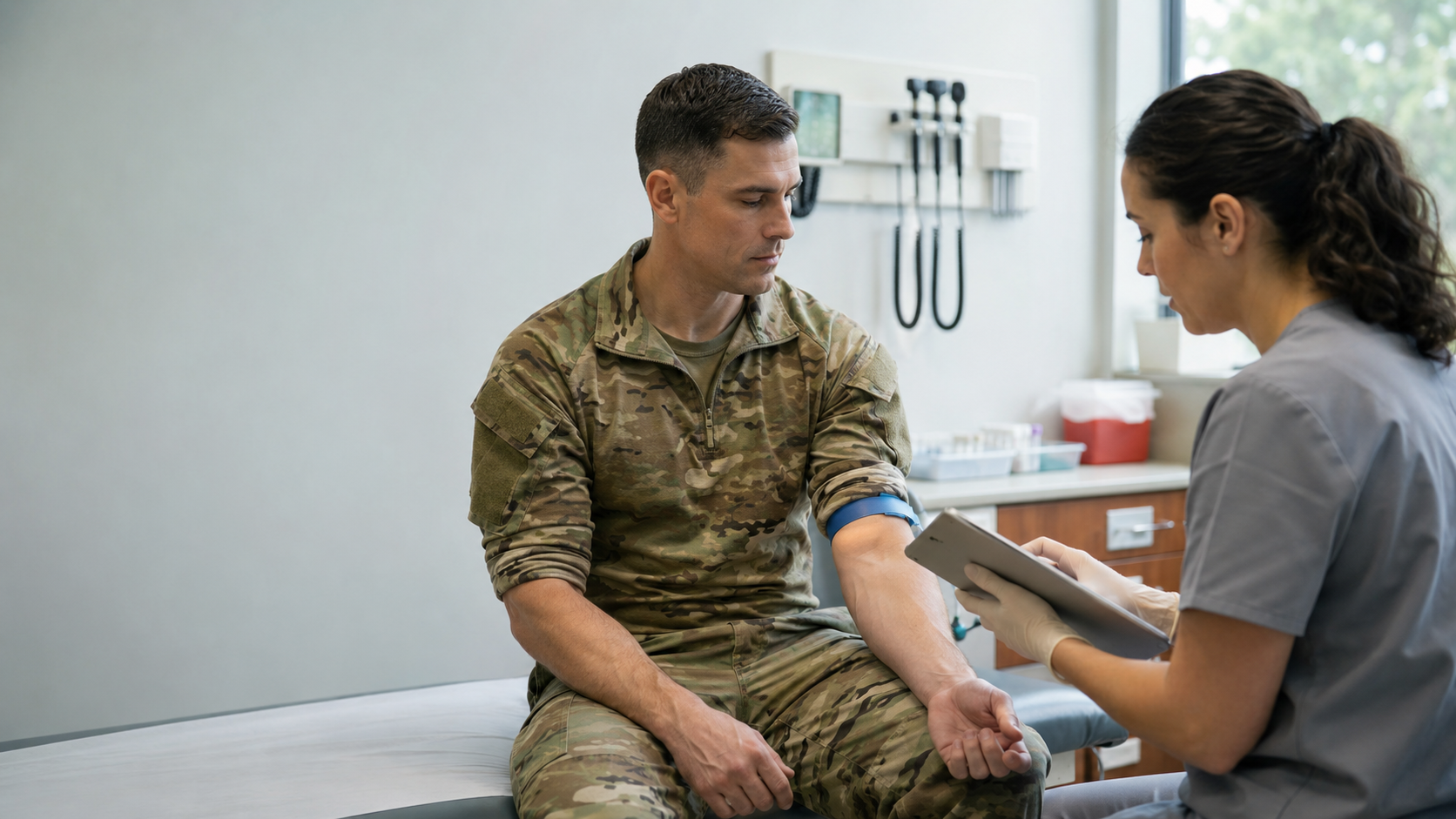
The U.S. military plans to begin routinely screening service members age 30 and older for testosterone deficiency as part of annual health evaluations.
Defense Secretary Pete Hegseth described the initiative as a way to improve long-term health, physical readiness, and combat effectiveness.
Service members younger than 30 will also be able to request testing. Those who are confirmed to have low testosterone may be offered testosterone replacement therapy, commonly known as TRT, although treatment will not be mandatory.
Testosterone influences muscle mass, sexual function, energy, mood, bone health, and several other processes. Levels usually decline gradually with age, but clinically low testosterone, or hypogonadism, may also be caused by illness, injury, medication use, obesity, sleep disruption, or lifestyle factors.
Although treating a confirmed deficiency can be beneficial, medical experts have raised concerns about screening large numbers of young, otherwise healthy people without symptoms.
Key takeaways
- The U.S. military plans annual testosterone screening for service members age 30 and older.
- A single low blood test result is not enough to diagnose testosterone deficiency.
- Diagnosis generally requires symptoms and at least two properly timed low testosterone measurements.
- TRT may improve symptoms in people with a genuine deficiency but can reduce sperm production and affect fertility.
- Experts question whether universal screening will improve military readiness enough to justify the medical, reproductive, and ethical risks.
Why is the military screening for low testosterone?
Under the proposed policy, testosterone testing will become part of the military’s periodic health assessment for service members age 30 and older.
Testing will remain optional for those under 30. Service members whose results suggest a deficiency may undergo additional evaluation and choose whether to begin TRT.
Hegseth has said the goal is not to increase testosterone above a person’s normal biological range or use it as a performance-enhancing substance. Instead, he has framed the program as an effort to protect health, longevity, and operational readiness.
However, the initial announcement did not clearly explain how screening, repeat testing, diagnosis, or treatment decisions would be handled.
Experts say those details are essential because testosterone deficiency cannot be diagnosed from one blood test alone.
One blood test cannot confirm low testosterone
Testosterone levels naturally rise and fall throughout the day. They may also vary between different days.
A person’s results can be affected by:
- Sleep quality
- Recent food intake
- Illness
- Medication use
- Body weight
- Physical activity
- Stress
- Time of day
Military training and deployment may create additional complications. Intense exercise, sleep deprivation, calorie restriction, illness, and psychological stress may temporarily reduce hormone levels.
For that reason, an unexpectedly low result during deployment or a period of extreme training should not automatically lead to long-term hormone therapy.
Standard diagnosis generally requires symptoms consistent with testosterone deficiency as well as at least two low measurements taken under appropriate conditions.
Without repeat testing and careful clinical evaluation, broad screening could identify temporary or misleading hormone changes and expose healthy service members to unnecessary treatment.
Symptom-based screening may be more useful
Some experts believe annual screening may be reasonable when it begins with questions about symptoms and a physical examination rather than automatic blood testing for everyone.
Possible symptoms of testosterone deficiency include:
- Reduced sexual desire
- Erectile dysfunction
- Fatigue
- Loss of muscle mass
- Reduced bone density
- Mood changes
- Difficulty concentrating
- Infertility
However, these symptoms are not specific to low testosterone. They may also result from stress, poor sleep, depression, medication effects, thyroid disorders, chronic illness, or demanding physical training.
When symptoms or physical signs are present, a clinician can investigate other possible causes and order appropriately timed laboratory testing.
TRT may affect fertility
TRT may improve symptoms in males who have repeatedly low testosterone levels and a confirmed clinical deficiency.
However, testosterone therapy can suppress the body’s natural production of reproductive hormones. This may significantly reduce sperm production and cause infertility or prolonged difficulty conceiving.
This is a major concern for younger service members who may still want to have children.
Fertility may improve after TRT is discontinued, but recovery is not always immediate or guaranteed. The process may take several months or longer, and some people may not fully regain their previous sperm production.
Experts therefore recommend fertility counseling before treatment begins. Some patients may also wish to discuss sperm preservation or alternative treatments that support natural testosterone production without suppressing fertility to the same degree.
Other potential risks of TRT
Testosterone replacement therapy requires individual assessment and continued medical monitoring.
Possible side effects and risks include:
- Acne or oily skin
- Reduced HDL, or “good,” cholesterol
- Worsening sleep apnea
- Increased red blood cell production
- Fluid retention
- Changes in prostate health
- Reduced fertility
Testosterone therapy does not appear to directly cause prostate cancer. However, if an undiagnosed prostate cancer is already present, testosterone may potentially encourage it to grow more quickly.
For that reason, prostate health may need to be evaluated before and during therapy, depending on a person’s age and individual risk factors.
TRT previously carried a warning about a possible increased risk of heart attack and stroke. More recent large-scale research did not find a higher rate of major cardiovascular events compared with placebo, leading regulators to reconsider that warning.
Even so, treatment should still be supervised by a clinician who can monitor blood pressure, blood counts, hormone levels, symptoms, and other relevant health markers.
Would higher testosterone improve combat performance?
Testosterone clearly contributes to muscle health, strength, bone density, energy, and sexual function.
Identifying and treating a genuine deficiency could therefore help affected service members feel and function better.
However, restoring testosterone to a healthy range is different from trying to maximize it.
Having more testosterone does not automatically improve health, strength, judgment, endurance, or combat effectiveness when a person’s existing levels are already normal.
While TRT can increase muscle mass and strength in people with low testosterone, there is limited evidence showing that universal screening and treatment of service members without symptoms improves military performance or long-term health outcomes.
Broad screening may create false or misleading results
A large screening program must be assessed based on more than the number of low test results it identifies.
Officials would also need to consider:
- How many true cases are detected
- How many results are temporary or misleading
- The risk of unnecessary treatment
- Effects on fertility
- Long-term treatment outcomes
- Financial costs
- Monitoring requirements
- Medical and ethical consequences
A screening program may appear effective if it identifies many people with low laboratory values, but those results do not necessarily represent a genuine medical disorder.
The most useful approach may be targeted testing for people with symptoms, physical signs, or specific risk factors.
The bottom line
Testosterone is important for physical and psychological health, and service members with a confirmed deficiency may benefit from treatment.
However, experts caution that routinely testing every service member after age 30 may lead to overdiagnosis, unnecessary treatment, and avoidable fertility risks.
A responsible program would need to include symptom assessment, repeat testing, evaluation of temporary causes, fertility counseling, and ongoing medical supervision.
The main question is not whether testosterone matters. It is whether population-wide screening will meaningfully improve military readiness and long-term health while outweighing the potential medical, reproductive, financial, and ethical harms.