
17 Beauty Lessons Women Over 50 Wish They Had Known in Their 20s
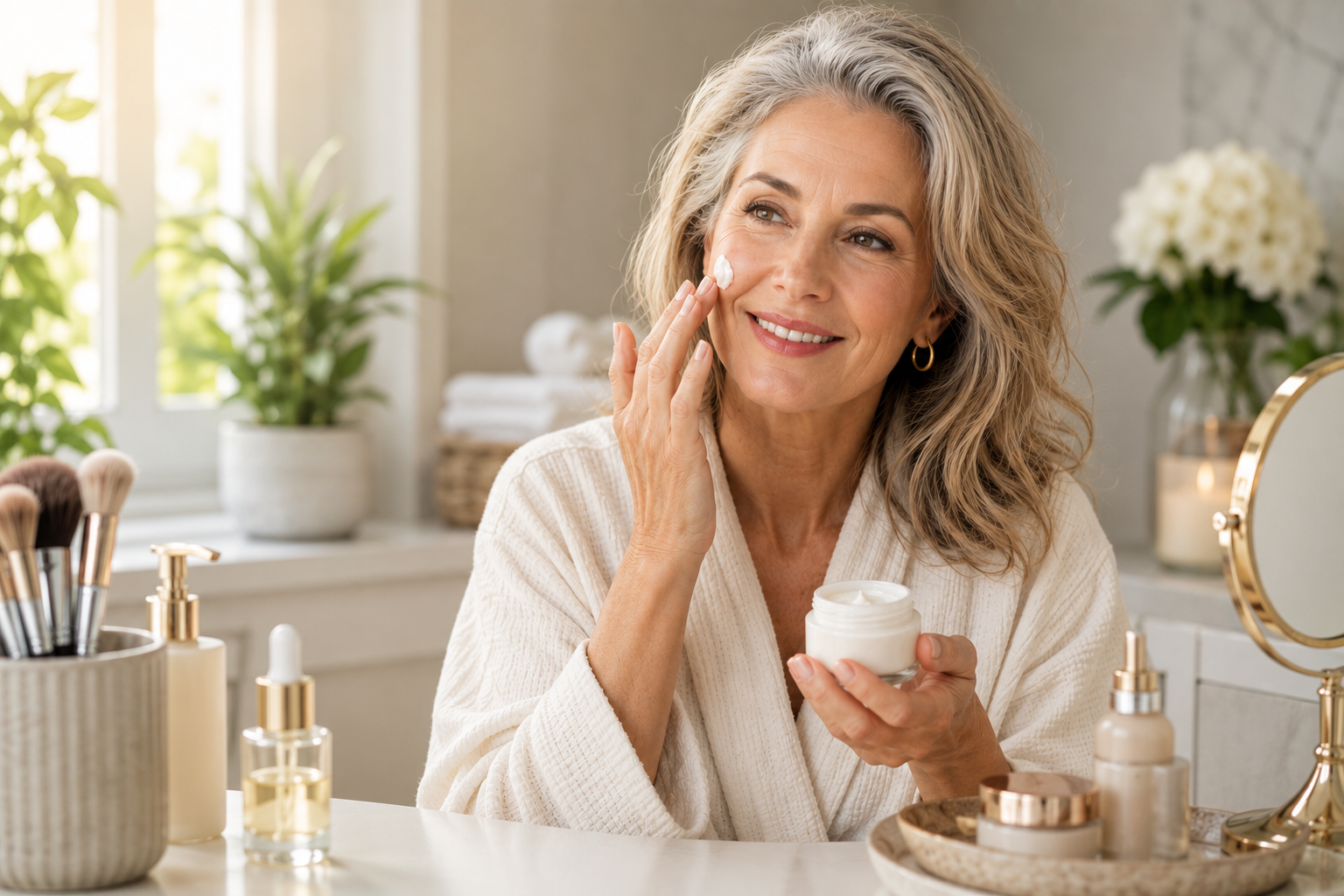
- Daily sunscreen, limited sun exposure, and consistent skin care are among the most effective ways to help protect the skin from premature aging.
- Simple habits, such as removing makeup before bed, moisturizing regularly, and avoiding smoking, may have a greater long-term impact than complicated or expensive routines.
- Skin care does not have to cost a fortune. The most important factor is choosing ingredients and products that suit your skin type and can be used consistently.
Many people experiment with questionable beauty habits when they are younger, from sleeping in makeup to using toothpaste on blemishes or deliberately tanning without protection.
The consequences may not be immediately visible, but habits practiced in your 20s can influence how your skin and hair look decades later.
Below, women in their 50s and older share the beauty advice they would give their younger selves, along with context about what may actually help.
1. Remove your makeup before sleeping
Leaving makeup on overnight can allow oil, dead skin cells, environmental debris, and cosmetic residue to remain on the skin.
This may contribute to clogged pores, irritation, breakouts, and puffy-looking skin the following morning.
A gentle evening cleanse can remove makeup, sunscreen, oil, and pollution accumulated throughout the day. People who wear heavy or water-resistant makeup may benefit from using a makeup remover or cleansing oil before washing with a regular facial cleanser.
Avoid aggressively scrubbing the skin, as repeated friction may cause additional irritation.
2. Let yourself smile
Some people avoid smiling because they worry that facial expressions will create fine lines.
However, trying to keep the face expressionless is neither realistic nor necessary. Smile lines and crow’s feet are natural features that can reflect years of laughter and emotion.
Happiness, confidence, and warmth often influence how youthful someone appears more than the absence of every wrinkle.
Protecting your skin is worthwhile, but enjoying your life matters too.
3. Your routine does not need to be expensive
A high price does not automatically make a skin care product more effective.
An affordable routine that you use consistently may be more beneficial than an expensive collection that is irritating, complicated, or difficult to maintain.
A basic routine may include:
- A gentle cleanser
- A suitable moisturizer
- Broad-spectrum sunscreen
- One targeted ingredient based on your concerns
Pay attention to ingredients, formulation, and how your skin responds rather than focusing only on branding or price.
Natural ingredients are not automatically safer. Essential oils and homemade mixtures may irritate sensitive skin, while coconut oil can clog pores in people who are prone to acne.
Patch-test new products before applying them widely.
4. Be cautious with “armpit detoxes”
Some people use clay, vinegar, or other homemade masks under their arms in an attempt to reduce odor or remove deodorant residue.
Although these mixtures may temporarily absorb oil or product buildup, there is limited evidence that the underarms require a formal “detox.”
The liver and kidneys are responsible for removing waste products from the body. Sweat does not mean toxins are accumulating beneath the arms.
Because underarm skin can be sensitive, acidic ingredients and essential oils may cause burning, dryness, or irritation.
Persistent odor, pain, swelling, rash, or unusual sweating should be discussed with a healthcare professional.
5. Wash your face with an appropriate cleanser
Regular body soap may be too harsh for facial skin.
Some bar soaps have a higher pH and contain cleansing agents that can strip away protective oils. This may leave the face feeling dry, tight, irritated, or flaky.
Choose a gentle facial cleanser suited to your skin type. Very dry or sensitive skin may benefit from a creamy, fragrance-free formula, while oily skin may tolerate a light gel or foaming cleanser.
Use lukewarm rather than very hot water and pat the skin dry instead of rubbing it.
6. Consider adding vitamin C
Vitamin C is an antioxidant commonly used to support brighter, more even-looking skin.
It may help reduce the effects of oxidative stress and support collagen production. Some formulations are combined with vitamin E and ferulic acid to improve stability and antioxidant activity.
Vitamin C does not replace sunscreen, but it may complement daily sun protection.
Begin gradually if your skin is sensitive, as stronger formulas may cause stinging or irritation. Store the product according to its instructions and replace it if the color or smell changes significantly.
7. Remember to protect your hands
The face is not the only area exposed to ultraviolet radiation.
The hands receive frequent sun exposure while driving, walking, gardening, or spending time outdoors. Over time, this may contribute to dryness, uneven pigmentation, fine lines, and visible sun damage.
Apply broad-spectrum sunscreen to the backs of your hands and reapply after washing or prolonged sun exposure.
Other commonly forgotten areas include:
- The neck
- The chest
- The ears
- The hairline
- The eyelids
- The lips
Protective clothing and driving gloves may provide additional coverage.
8. Research CBD skin care carefully
CBD has become a popular ingredient in lotions, creams, and facial products.
Early evidence suggests that cannabinoids may have anti-inflammatory and moisturizing properties, but research remains limited. CBD products should not replace well-established ingredients or prescribed treatment for a diagnosed skin condition.
Product quality can also vary considerably.
Check the ingredient list, look for independent testing when available, and avoid assuming that a product is effective simply because it contains CBD.
People with sensitive skin should patch-test the complete formulation, since fragrances, preservatives, and botanical extracts may cause irritation.
9. Use sunscreen consistently
Excessive ultraviolet exposure is one of the leading preventable contributors to premature skin aging.
UV radiation may contribute to:
- Fine lines and wrinkles
- Uneven pigmentation
- Dark spots
- Loss of firmness
- Sunburn
- Skin cancer
Use a broad-spectrum sunscreen with an appropriate SPF every day, including during cloudy weather and throughout the colder months.
Apply enough product and reapply after swimming, sweating, or spending extended time outdoors.
Avoid deliberately tanning with oils that provide no meaningful sun protection. A tan is a visible sign that the skin has responded to UV damage.
10. Be careful with at-home hair lightening
Using lemon juice, peroxide sprays, or sun-activated lightening products may dry out the hair and increase breakage.
Lightening removes pigment through chemical processes that can weaken the hair shaft, particularly when it is already fine, dry, curly, bleached, or chemically treated.
A professional hairstylist can assess your hair’s current condition and choose a method that suits its texture, density, and treatment history.
Professional services may cost more initially, but correcting severe breakage, uneven color, or chemical damage can be considerably more expensive.
11. Do not smoke
Smoking affects far more than the lungs.
Tobacco smoke can reduce blood flow to the skin and expose it to substances that damage collagen and elastin. This may contribute to dryness, dullness, uneven tone, and premature wrinkles.
Smoking may also discolor the teeth and increase the risk of gum disease, tooth loss, cancer, cardiovascular disease, and respiratory illness.
Avoiding cigarettes is one of the most meaningful decisions you can make for your appearance and long-term health.
People who already smoke can speak with a healthcare professional about evidence-based support for quitting.
12. Eat more fruits, vegetables, and whole foods
Diet can influence energy, digestion, cardiovascular health, weight management, and the nutrients available to support the skin and hair.
Fruits and vegetables provide fiber, vitamins, minerals, antioxidants, and water. They can be eaten raw or cooked, and both forms may be nutritious.
There is no need to follow an entirely raw diet to benefit from plant foods.
Highly restrictive raw or vegan diets may increase the risk of inadequate protein, vitamin B12, iron, calcium, iodine, zinc, or omega-3 intake unless they are carefully planned.
Aim for a balanced eating pattern that includes vegetables, fruits, whole grains, protein-rich foods, and healthy fats.
13. Do not rely on the term “clean beauty”
The phrase “clean beauty” is widely used in marketing, but it does not have one universally regulated definition.
Some brands use it to describe products made without certain synthetic ingredients. Others use it to mean natural, environmentally conscious, fragrance-free, or “non-toxic.”
These terms do not automatically prove that a product is safer or more effective.
Natural ingredients may cause allergies or irritation, while many synthetic ingredients have been extensively tested and used safely.
Evaluate products based on the complete formula, your skin type, credible safety information, and how your skin reacts.
14. Stay adequately hydrated
Water supports circulation, digestion, temperature regulation, and many other essential functions.
Dehydration may make the skin feel dry or appear less plump temporarily. Drinking enough fluids can help maintain normal body function, but consuming excessive quantities will not erase wrinkles or permanently transform the skin.
Hydration needs vary based on body size, climate, activity level, diet, pregnancy, medication use, and medical conditions.
Water, unsweetened drinks, soups, fruits, and vegetables can all contribute to daily fluid intake.
People with heart, kidney, or endocrine conditions should follow personalized medical guidance rather than forcing themselves to drink a predetermined amount.
15. Understand the limits of facial acupuncture
Facial acupuncture involves inserting very fine needles into selected points on the face and body.
Some people report temporary improvements in relaxation, muscle tension, puffiness, or overall skin appearance. However, evidence supporting claims about wrinkle reduction or collagen stimulation remains limited.
The treatment should be performed by a properly trained and licensed practitioner using sterile, single-use needles.
Possible side effects include bruising, bleeding, soreness, dizziness, and infection when hygiene standards are not followed.
It should not be viewed as a guaranteed alternative to clinically established skin treatments.
16. Extend skin care below your face
The neck and upper chest are often exposed to the same sunlight and environmental stressors as the face.
However, many people stop their skin care routine at the jawline.
Apply moisturizer and sunscreen to the neck and exposed chest area as well as the face. Introduce stronger ingredients cautiously because the skin on the neck can be sensitive and more easily irritated.
The goal is not to prevent normal aging, but to support healthy skin and reduce avoidable damage.
17. Learn about cosmetic treatments before deciding
Nonsurgical cosmetic treatments include options such as:
- Botulinum toxin injections
- Chemical peels
- Laser treatments
- Microneedling
- Radiofrequency procedures
- Ultrasound-based treatments
- Injectable fillers
Learning about these procedures does not mean you have to undergo them.
Understanding realistic outcomes, risks, costs, maintenance requirements, and recovery times can help you make informed decisions later.
Treatments should be performed by appropriately qualified medical professionals. Ask about the provider’s training, expected results, possible complications, and what happens if you are unhappy with the outcome.
It is equally valid to choose no cosmetic procedures at all.
The takeaway
Most long-term beauty advice comes back to a few consistent habits: protect your skin from the sun, remove makeup before bed, avoid smoking, eat a balanced diet, and use products that suit your individual needs.
Expensive routines, viral ingredients, and aggressive treatments are not necessary for everyone.
Healthy aging does not require eliminating every line or visible change. The most effective routine is one that protects your health, supports your confidence, and remains realistic enough to follow for years.